
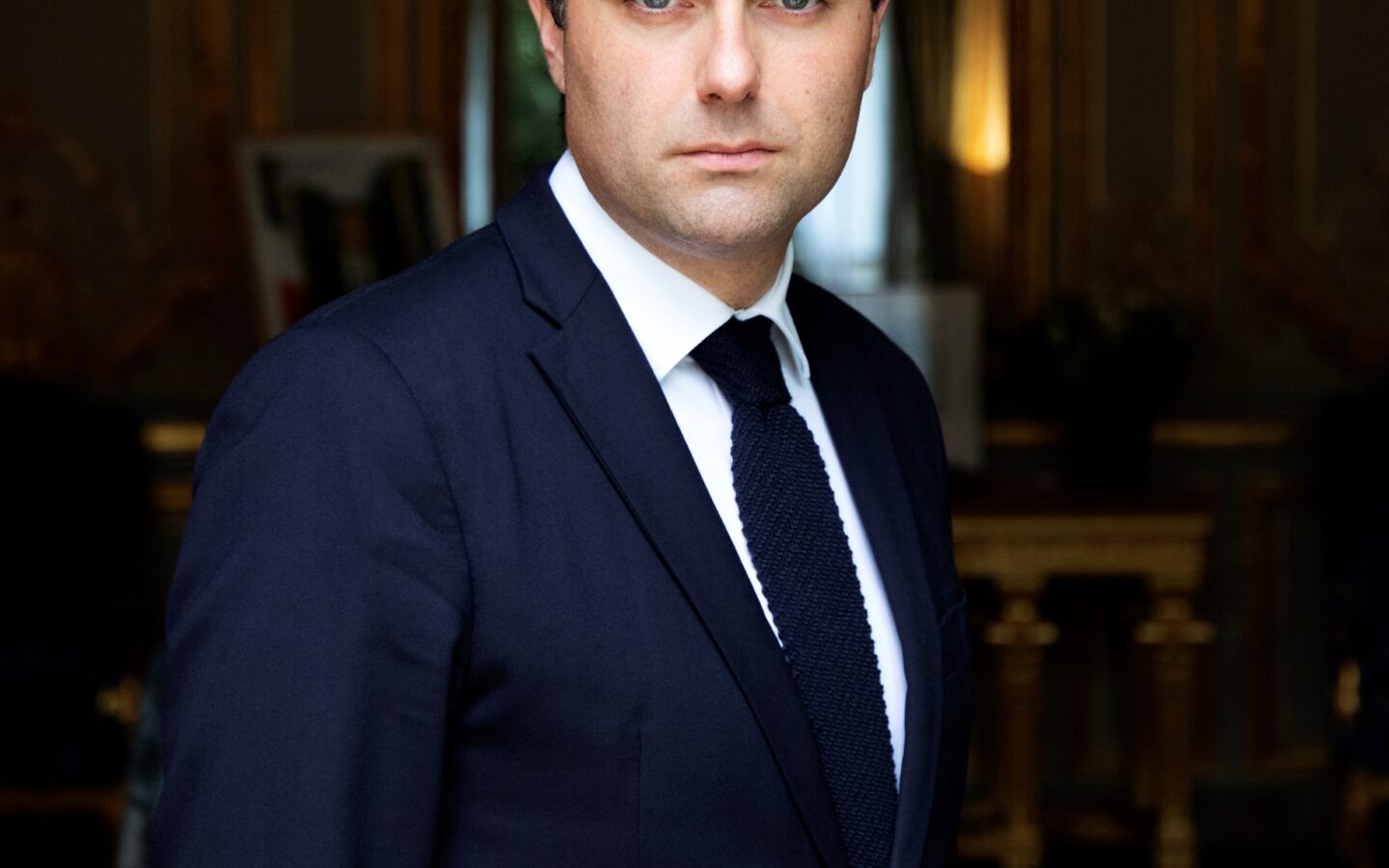
French Prime Minister Sébastien Lecornu has asked local authorities to impose partial curfews after a weekend of violent protests and looting across the country. The government stopped short of declaring a nationwide state of emergency, but Lecornu said stronger measures remained available if public disorder continued. The move comes as France faces one of its most serious bouts of unrest in years, driven by anger over high living costs, deteriorating public services and political paralysis.
The curfews will be local rather than national
Lecornu said authorities should target restrictions to areas facing the highest risk of violence. He specifically ruled out placing all of Paris under curfew, arguing that a blanket measure would be disproportionate.
Weekend riots caused extensive damage
Demonstrations that began over living costs and public services escalated into clashes, looting and property damage in several cities. Thousands of people were arrested as police struggled to contain violent groups.
The government is under pressure over preparedness
Mayors of several major cities demanded explanations for what they described as inadequate security planning. Their criticism has added to pressure on the interior ministry and the prime minister.
A state of emergency remains possible
Lecornu said the government could declare a state of emergency if conditions deteriorate. That would give authorities broader powers, but the government currently prefers more limited local restrictions.
France’s economic problems are feeding unrest
The country is struggling with weak growth, high public debt and a widening budget deficit. Protesters have focused on household costs and declining service quality, making fiscal consolidation politically difficult.
The presidential election is only months away
France is roughly six months from its next presidential election. The unrest is already shaping campaign narratives around public order, spending and institutional stability.
Macron’s final months are becoming more difficult
President Emmanuel Macron is nearing the end of his term with limited political capital and a fragmented parliament. Critics say the government has fewer options to respond than during earlier protest waves because public finances are weaker.
Markets reacted negatively
French bonds and equities fell sharply on Monday as investors reassessed political risk. The CAC 40 underperformed other major European markets, while French government borrowing costs rose.
Retailers are counting the cost
Stores including luxury and consumer brands were targeted during looting. Retailers are expected to face repair costs, inventory losses and higher security expenses.
Tuesday’s PSG-Barcelona match remains scheduled
Interior Minister Laurent Nunez said there were no plans to cancel the Paris Saint-Germain versus Barcelona match. Security around the event will nevertheless be closely watched.
The next test is whether violence subsides
If localized curfews reduce clashes, the government may avoid broader emergency powers. If unrest spreads, pressure for tougher national measures will rise quickly.
Sources
- Reuters, Oct. 19, 2026
- French government statements