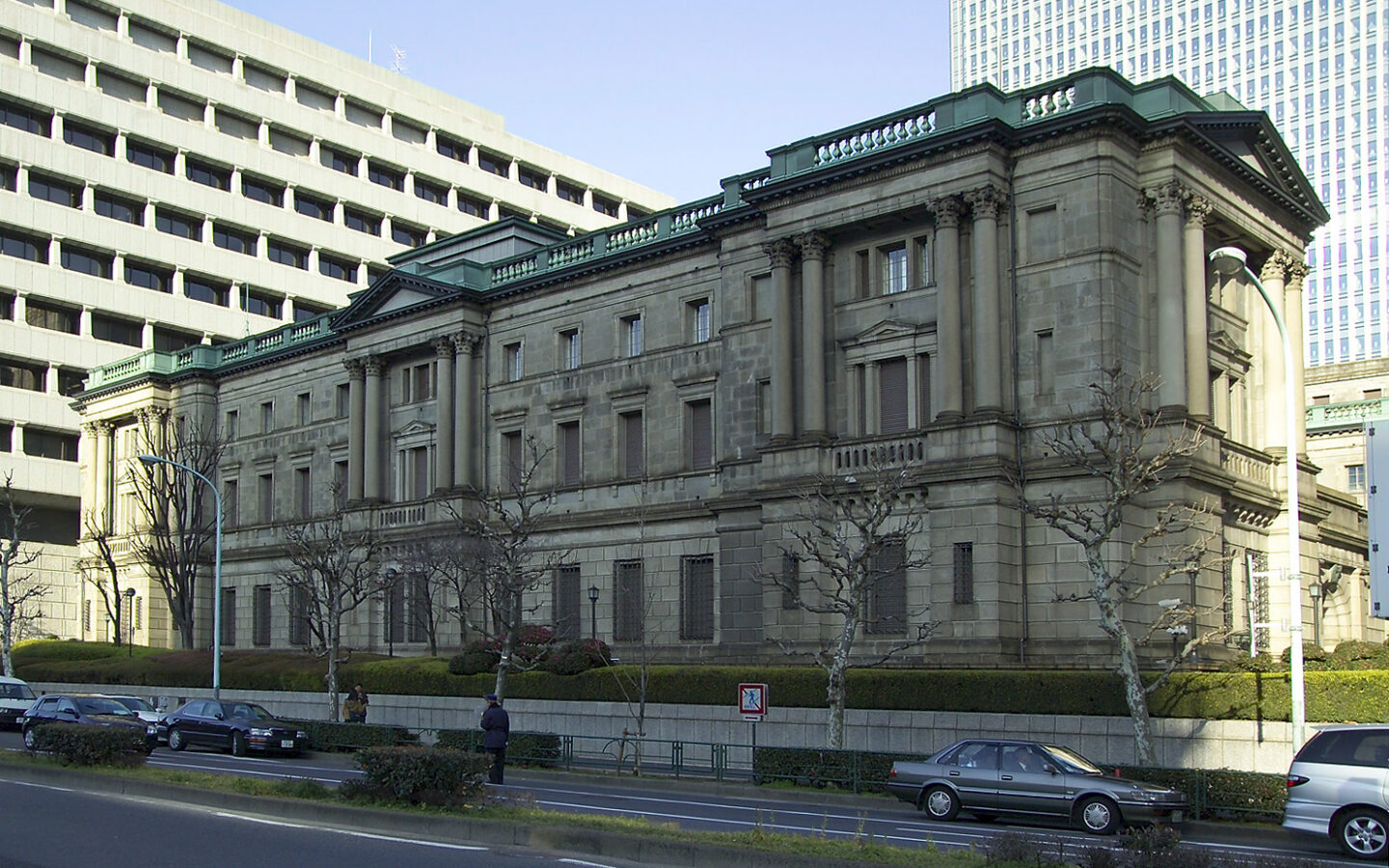
Bank of Japan policymakers are increasingly divided over how quickly interest rates should rise, with a September meeting summary showing several members pushing for faster tightening.
The debate follows the BOJ’s move to raise its policy rate to 1.25%, the highest level in more than three decades. Some board members argued that underlying inflation is now close enough to the bank’s 2% objective to justify additional increases.
Government officials urged caution
Reuters reported that representatives from the government pushed back against moving too aggressively. Their concern centers on weak household consumption, uneven service-sector inflation and the accumulated impact of earlier rate increases on growth.
The disagreement is important because markets have been weighing whether another increase could come as soon as October or later in the year. The yen weakened after the meeting summary, a sign that traders saw political and economic resistance as a constraint on rapid tightening.
Japan faces a difficult balance
The BOJ is trying to normalize policy after years of ultra-low rates while avoiding a sharp slowdown. Inflation has become more persistent, but policymakers are also watching wage growth, consumer demand and global financial conditions.
Higher Japanese rates can have effects beyond the domestic economy because they influence global capital flows. Japanese investors are major holders of overseas bonds, and rising yields at home can make foreign assets relatively less attractive.
Sources: Bank of Japan September meeting summary; Reuters; Japanese Cabinet Office comments reported by Reuters.