Europe is approaching the winter heating season with natural-gas storage levels well below recent norms, adding another layer of pressure to governments already dealing with high fuel costs and weak growth.
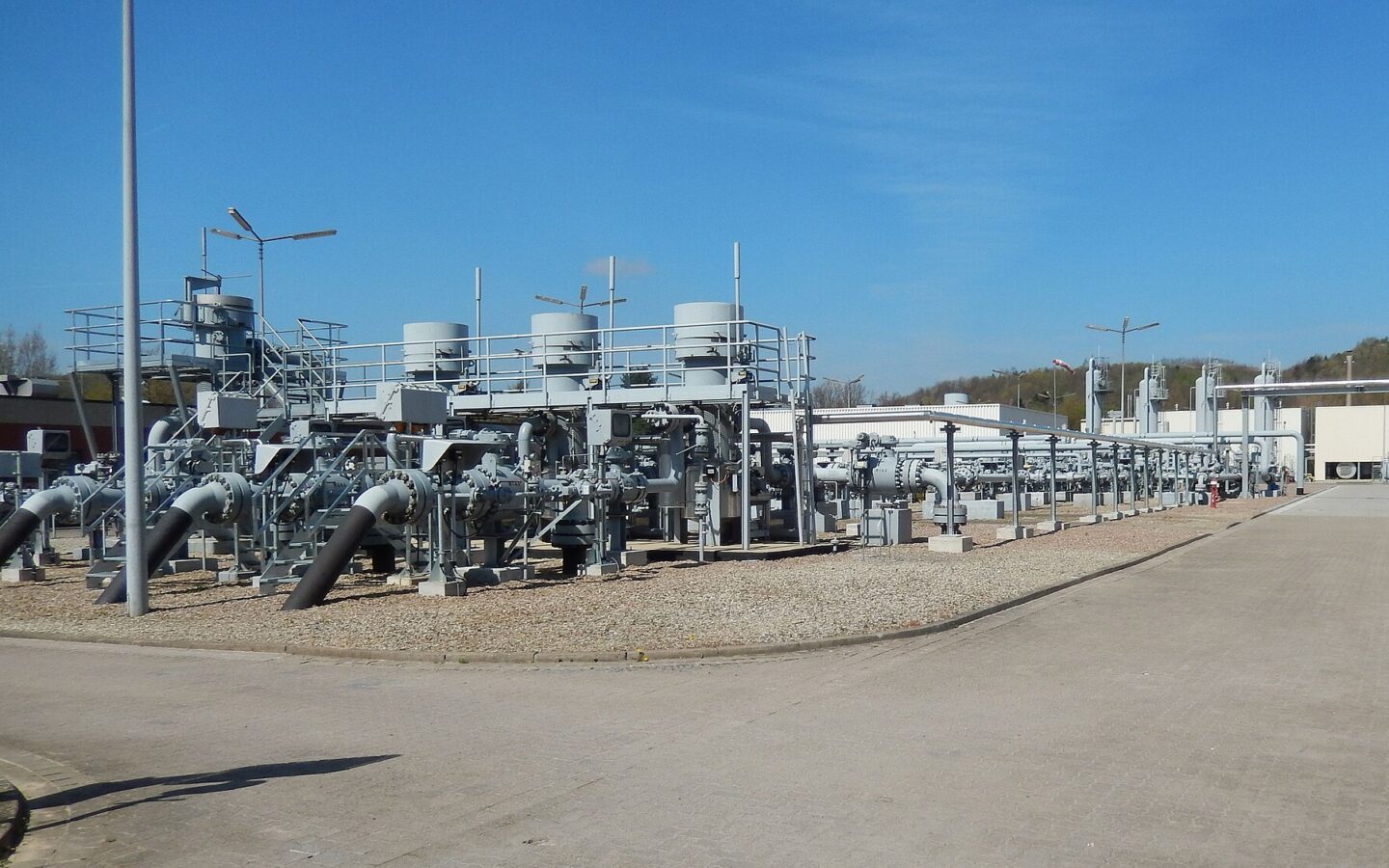
Gas Infrastructure Europe data cited by Reuters showed storage about 69% full, compared with a five-year average near 85% for this point in the year. High wholesale prices have made restocking more expensive, especially in countries with large storage systems such as Germany and the Netherlands.
Gas prices can linger in inflation data
Unlike short-lived moves in crude oil, sustained gas-price increases can affect electricity generation, industrial production and household heating bills for months. That persistence can complicate central-bank efforts to bring inflation down.
Governments also face a policy dilemma. Broad subsidies can soften the immediate impact on households but are expensive and can weaken incentives to conserve energy. More targeted support is cheaper but harder to administer.
Storage levels alone do not determine whether Europe will face shortages. Winter temperatures, LNG imports, industrial demand and pipeline flows all matter. Still, entering the season with a smaller buffer leaves the region more exposed to further supply disruptions or a colder-than-normal winter.