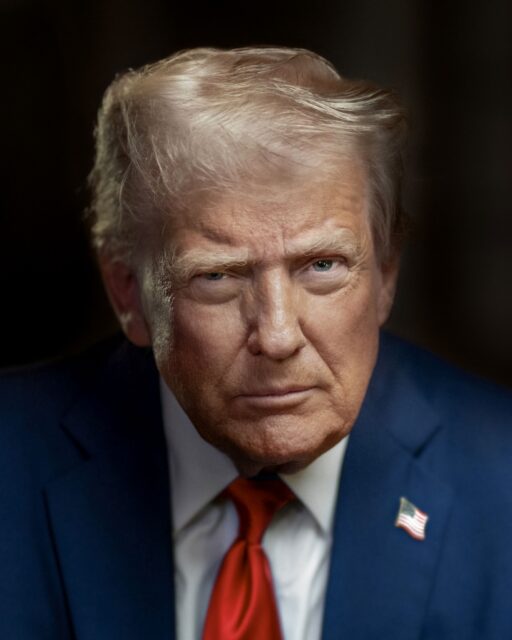
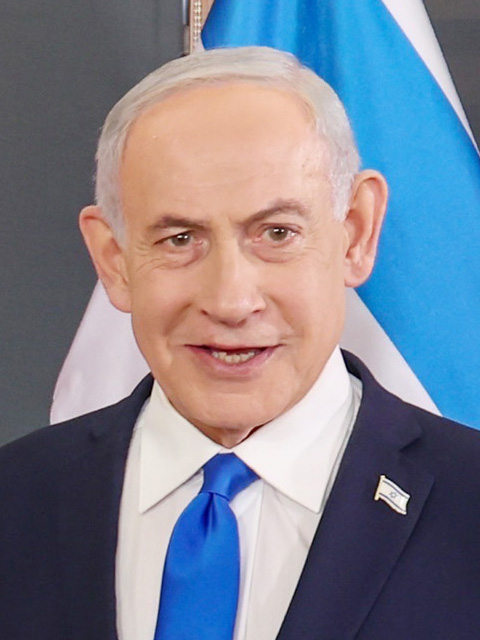
U.S. President Donald Trump endorsed Israeli Prime Minister Benjamin Netanyahu for reelection on Sunday, giving the embattled Israeli leader a high-profile political boost nine days before the country’s Oct. 27 national election. Trump praised Netanyahu’s record confronting Iran and described him as an important partner, ending months of uncertainty over whether the U.S. president would intervene publicly in the race. Netanyahu thanked Trump and said the two leaders would continue working together.
The endorsement follows months of tension
Trump and Netanyahu have maintained a close political relationship for years, but their strategies in the Middle East have not always aligned during the current conflict cycle. Trump has criticized the pace of Israeli military operations and at times pressed for faster diplomatic agreements, while Netanyahu has resisted some U.S.-backed proposals.
That friction made Trump’s decision to withhold an endorsement notable. His public support now gives Netanyahu a message he can use in the final stretch of the campaign: despite disagreements, he remains closely connected to Washington.
Why Trump’s backing matters in Israel
Trump remains popular among many Israeli voters because of policies from his first presidency, including moving the U.S. embassy to Jerusalem and recognizing Israeli sovereignty over the Golan Heights. Netanyahu has repeatedly highlighted those decisions in previous campaigns.
An endorsement from Trump therefore has domestic political value even though the U.S. president does not control Israeli policy. It can reinforce Netanyahu’s argument that he has unique access to the White House and can manage the country’s most important alliance.
The election is unusually consequential
The Oct. 27 vote is Israel’s first national election since the Hamas attack of Oct. 7, 2023. Voters are judging the government on security failures, the conduct of the Gaza war, regional conflict with Iran-backed groups and the economic cost of prolonged mobilization.
Netanyahu’s opponents argue that the government failed to prevent the 2023 attack and has kept Israel in open-ended conflict without a clear political end state. His supporters say he has kept pressure on Hamas, Iran and allied armed groups while resisting international demands they consider dangerous.
Iran remains central to Trump’s message
Trump’s endorsement focused heavily on Netanyahu’s role in confronting Iran. The U.S. president warned that a change in Israeli leadership could complicate the joint strategy against Tehran.
That framing connects Israel’s election to a much wider regional conflict involving Yemen’s Houthis, Lebanon, Syria and attacks on energy and transport infrastructure across the Middle East.
Netanyahu is campaigning on security credentials
The prime minister has long presented himself as the Israeli politician most capable of managing national-security crises. His campaign is again emphasizing military strength, intelligence cooperation and his relationships with foreign leaders.
The challenge is that the same security record is being used against him. Critics argue that the Oct. 7 attack and subsequent regional escalation occurred under his leadership.
Domestic issues still matter
Security dominates headlines, but Israeli voters are also dealing with high living costs, pressure on public services and political divisions that predate the current wars. The burden of reserve military service has become a major social and economic issue.
Coalition politics will also shape the result. Israel’s proportional system means the largest party does not automatically form a government; alliances among several parties can determine who becomes prime minister.
The endorsement may mobilize both sides
Trump’s intervention could energize Netanyahu’s base, but it may also motivate voters who object to what they see as foreign involvement in the campaign. Israeli elections are often decided by turnout and small shifts among ideologically close parties.
For that reason, the practical effect of the endorsement will depend on whether it changes voter behavior rather than simply reinforcing existing preferences.
U.S.-Israel relations will outlast the election
Whoever forms the next Israeli government will have to work with Washington on military assistance, Iran, Gaza, regional diplomacy and relations with Arab states.
Trump’s endorsement makes his preference clear, but the strategic relationship between the two countries is broader than one leader or one election.
Nine days remain
Netanyahu now enters the final campaign period with explicit support from the U.S. president. The endorsement removes one source of uncertainty but does not resolve the domestic controversies surrounding his government.
The Oct. 27 vote will show whether Trump’s backing strengthens Netanyahu enough to overcome criticism over security, war management and political polarization.
Sources
- Associated Press, Oct. 18, 2026
- Donald Trump’s public endorsement statement
- Benjamin Netanyahu’s response and Israeli election calendar